Is Property Still a Good Investment in Pakistan?
Property has traditionally been one of the most popular investment options in Pakistan. From residential plots and houses to apartments, commercial shops and offices, real estate continues to attract investors looking for long-term wealth creation, rental income and capital appreciation.
But the question many investors are asking in 2026 is:
Is property still a good investment in Pakistan?
The short answer is yes—but not every property is a good investment.
The Pakistani real estate market has become more complicated. Interest rates, inflation, taxation, development status, purchasing power, construction costs and changing buyer preferences can all influence property prices and investment returns.
The modern property investor therefore needs to look beyond the simple idea that “property prices always go up.”
A better approach is to identify properties that combine:
Strong Location + Legal Security + Real Demand + Development + Rental Potential + Resale Liquidity + Reasonable Price
Pakistan’s major cities—including Islamabad, Rawalpindi, Lahore and Karachi—continue to offer different types of residential and commercial opportunities. WinPropertiez, for example, currently features houses, apartments, plots, shops, offices, land and other property categories across major Pakistani cities.
In this guide, we explore whether property remains a worthwhile investment in Pakistan in 2026, what factors investors should consider, which property types may be suitable for different goals, and how to reduce investment risk.
Why Do Pakistanis Still Prefer Property Investment?
Real estate has a unique position in Pakistan’s investment culture.
Many investors prefer property because it is a tangible asset. Unlike some financial investments, an investor can physically see the land, house, apartment, shop or office they own.
There are several reasons property remains attractive.
1. Property Can Provide Long-Term Capital Appreciation
One of the primary reasons investors purchase property is the possibility of capital appreciation.
If a property is purchased in an area where population, infrastructure, commercial activity and demand are increasing, its market value may increase over time.
However, appreciation is not automatic.
A property in an undeveloped or poorly connected location can remain stagnant for years. This is why location is one of the most important factors in real estate investment.
2. Property Can Generate Rental Income
Unlike investments that depend entirely on selling the asset at a higher price, some properties can generate regular income.
Examples include:
- Houses
- Apartments
- Shops
- Offices
- Commercial units
- Warehouses
- Portions
For investors focused on cash flow, a property with strong rental demand may be more attractive than a property purchased purely for speculative appreciation.
For example, an established residential community with occupied houses, schools, commercial areas and employment access may have stronger rental demand than a newly launched project that has little actual occupancy.
3. Real Estate Can Help Preserve Wealth
Inflation can reduce the purchasing power of money over time.
Physical assets such as land and property are therefore often considered by investors as part of a long-term wealth-preservation strategy.
However, investors should not assume that every property automatically protects wealth against inflation. Property values can remain flat, decline or take years to recover depending on economic and market conditions.
4. Population Growth Supports Housing Demand
Pakistan has a large and growing population, creating continuing demand for housing, commercial spaces and urban infrastructure.
As people move toward major cities for employment, education, healthcare and business opportunities, demand can increase in well-connected urban areas.
This creates long-term opportunities for property investors—but it also makes location selection critical.
What Has Changed in Pakistan’s Property Market?
The property market of 2026 is different from the market investors experienced several years ago.
Investors now need to consider:
- Higher financing costs than periods of very low interest rates
- Property taxation
- Capital gains tax
- Construction costs
- Inflation
- Purchasing power
- Development progress
- Legal approvals
- Rental yields
- Resale liquidity
- Actual buyer demand
The State Bank of Pakistan’s policy rate was maintained at 11.5% in July 2026, while inflation remained an important economic consideration.
Higher interest rates can affect property because expensive financing can reduce borrowing capacity and delay construction or purchases.
For cash buyers, however, periods of slower demand can sometimes create opportunities to negotiate better prices.
This creates an important distinction:
A difficult property market does not necessarily mean there are no good investment opportunities.
It means investors need to become more selective.
Is Property a Good Investment in Pakistan in 2026?
For many investors, yes—but the strategy matters more than ever.
Rather than asking:
“Will property prices increase?”
Investors should ask:
“Why should this particular property increase in value?”
That question changes everything.
A strong investment case may include:
- Established infrastructure
- Excellent road connectivity
- Growing population
- Increasing occupancy
- Nearby commercial activity
- Schools and healthcare facilities
- Employment centers
- Strong rental demand
- Limited supply
- Clear ownership documentation
- Approved development
- Good resale market
A weak investment case may depend primarily on:
- Rumors
- Unverified future development
- Unrealistic price projections
- “Guaranteed” returns
- Dealer promises
- Artificially inflated prices
- Unclear legal status
Smart investors focus on evidence rather than promises.
Which Property Types Are Worth Considering?
There is no single “best property investment” for everyone.
The right property depends on your:
- Budget
- Investment horizon
- Risk tolerance
- Income requirements
- Expected return
- Liquidity needs
- Personal objectives
Let’s examine the major categories.
1. Residential Plots
Residential plots remain popular among Pakistani investors.
A plot can be attractive for investors who want to hold an asset for several years and potentially construct a house later.
Advantages
- Lower maintenance compared with constructed property
- Flexibility to build later
- Potential for capital appreciation
- Easier to compare prices by size and location
- Can be suitable for long-term investors
Risks
- No rental income while vacant
- Development delays
- Possible liquidity issues
- Legal and documentation risks
- Prices can remain stagnant for extended periods
A plot in a developed and occupied community is generally easier to evaluate than a plot based purely on future promises.
2. Houses
Buying a house can serve two purposes:
Investment + residential use
A house may be attractive for investors who want rental income or expect long-term appreciation.
Factors that can affect a house’s value include:
- Plot size
- Covered area
- Construction quality
- Age of building
- Street location
- Corner position
- Park-facing position
- Road width
- Number of bedrooms
- Parking
- Renovation requirements
- Community development
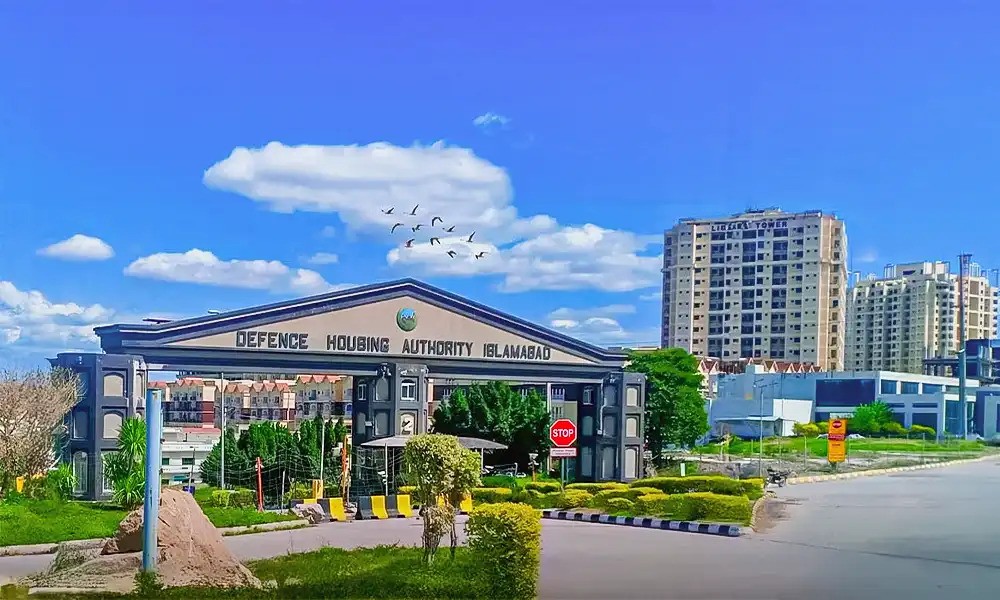
For example, current WinPropertiez listings include residential houses in areas such as DHA Phase 2 Islamabad and Bahria Town Rawalpindi, illustrating the type of established residential inventory available to buyers.
3. Apartments
Apartments can be particularly interesting for investors seeking rental income.
They often have a lower entry price than large houses in premium locations.
A good apartment investment may benefit from:
- Strong rental demand
- Central location
- Security
- Building facilities
- Parking
- Nearby offices
- Schools and universities
- Shopping areas
- Public transport
- Quality construction
However, investors should investigate building management, maintenance charges, occupancy, rental demand and resale liquidity before purchasing.
4. Commercial Property
Commercial property can provide attractive rental income, but it usually requires more careful analysis.
Examples include:
- Shops
- Offices
- Commercial plazas
- Retail units
- Corporate offices
The most important question is not simply:
“How expensive is this shop?”
Instead ask:
“Who will rent this property, and why?”
A commercial unit located in an active business environment with genuine footfall and established tenants can have a stronger investment case than a cheaper unit in an inactive commercial project.
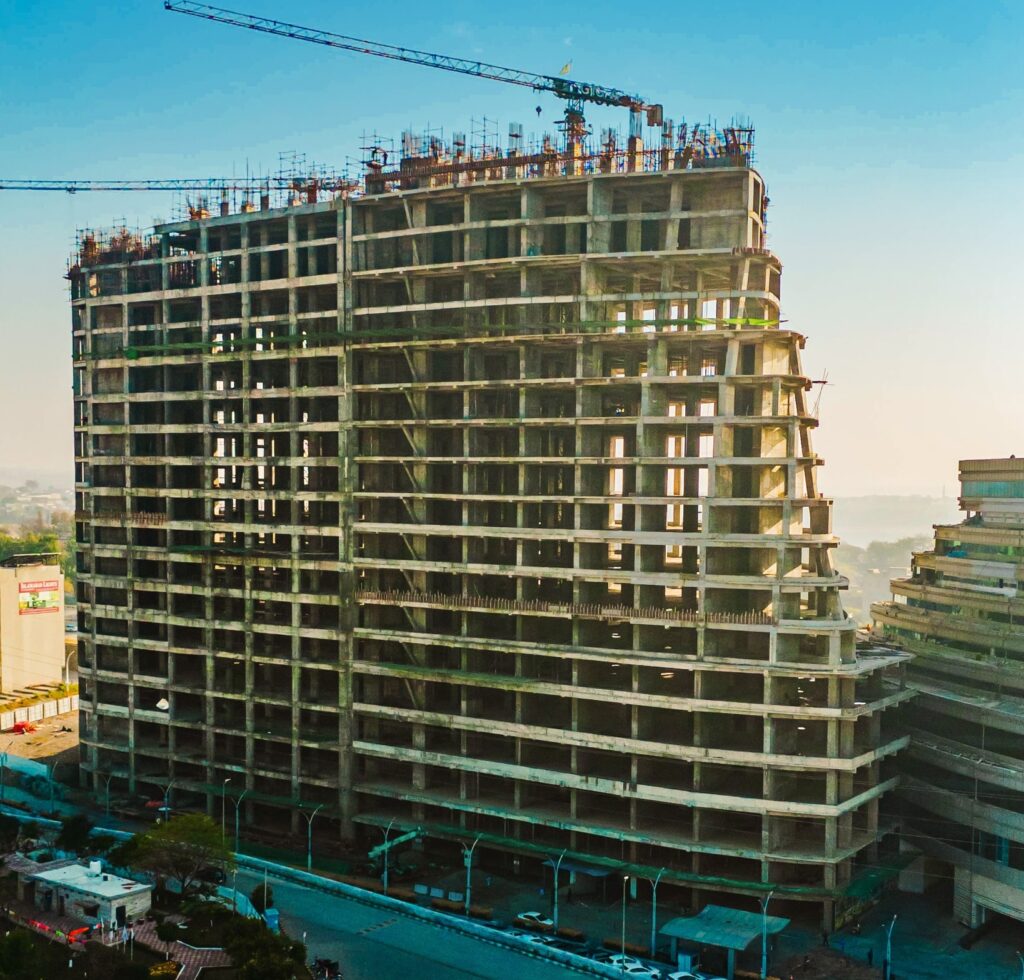
For example, WinPropertiez currently lists commercial opportunities such as shops in Giga Mall Islamabad, where rental potential is a major component of the investment proposition.
Location Matters More Than Property Size
One of the biggest mistakes new investors make is focusing only on property size.
A smaller property in an excellent location can outperform a larger property in a weak location.
When evaluating an area, consider:
Accessibility
How easily can people reach the property?
Infrastructure
Are roads, electricity, water, drainage and other facilities available?
Occupancy
Are people actually living or working there?
Commercial Activity
Are businesses, shops and services operating nearby?
Education and Healthcare
Are schools, colleges, hospitals and clinics accessible?
Employment
Are offices, business centers or employment hubs nearby?
Future Development
Is there credible evidence of infrastructure or economic development?
Resale Demand
If you need to sell the property, are there genuine buyers?
These factors often matter more than marketing slogans.
Islamabad: A Strong Market for Long-Term Investors
Islamabad remains one of Pakistan’s major real estate markets because of its planned urban environment, government institutions, educational facilities, diplomatic presence, infrastructure and demand from professionals and overseas Pakistanis.
Areas investors commonly research include:
- DHA Islamabad
- Bahria Town Islamabad/Rawalpindi
- Gulberg Islamabad
- B-17
- G-13
- G-14
- Park View City
- Capital Smart City
- Other established and developing corridors
WinPropertiez currently focuses significantly on the Islamabad-Rawalpindi market while also offering listings in Lahore and Karachi.
For investors considering Islamabad, the key is to distinguish between established demand and speculative future potential.
Rawalpindi: Affordability and Islamabad Connectivity
Rawalpindi provides an important alternative for buyers who want exposure to the broader Islamabad-Rawalpindi metropolitan market.
Its advantages can include:
- Comparatively affordable entry points
- Large existing population
- Strong residential demand
- Rental opportunities
- Proximity to Islamabad
- Expanding housing communities
Areas such as Bahria Town Rawalpindi can attract both end-users and investors, particularly where infrastructure and occupancy are already established.
Lahore: A Deep Residential and Commercial Market
Lahore has a large property market covering:
- Residential houses
- Apartments
- Commercial properties
- Plots
- Offices
- Investment projects
Established areas with strong population density and commercial activity can offer better liquidity than purely speculative developments.
Investors should evaluate each area independently rather than assuming that all Lahore property will perform equally.
Karachi: Rental and Commercial Opportunities
Karachi’s enormous population and economic importance create substantial demand for residential and commercial property.
For Karachi investors, rental yield can be an important consideration.
Depending on the location, investors may explore:
- Apartments
- Houses
- Commercial shops
- Offices
- Industrial property
- Mixed-use developments
However, Karachi requires careful due diligence concerning location, security, infrastructure, documentation and market liquidity.
What About Property Taxes in Pakistan?
Taxes can significantly affect real estate investment returns.
This is an area where investors should avoid relying on old information.
Pakistan’s tax treatment of immovable property has changed over time, and FBR continues to issue updated rules, valuation notifications and tax guidance.
For example, FBR’s current material confirms that advance tax on the purchase and sale of immovable property varies according to factors including property value and filer status.
FBR has also issued updated valuation notifications for cities including Rawalpindi during 2026.
Capital gains taxation also needs particular attention. The applicable treatment can depend on factors such as the property’s acquisition date, holding period, property type and taxpayer status.
Important:
Never calculate your expected property profit without calculating taxes, transfer costs and transaction expenses.
Before buying or selling, investors should verify the latest applicable tax rules with FBR or a qualified tax professional.
How to Calculate Whether a Property Is a Good Investment
Instead of simply looking at the asking price, calculate the complete investment.
For a rental property, consider:
Annual Rental Income ÷ Total Investment × 100 = Gross Rental Yield
For example, if a property costs:
Rs. 2 Crore
and generates:
Rs. 100,000 monthly rent
Annual rent:
Rs. 100,000 × 12 = Rs. 1.2 Million
Gross rental yield:
Rs. 1.2 Million ÷ Rs. 20 Million × 100 = 6%
But remember that this is a gross yield.
You may still have:
- Maintenance costs
- Property taxes
- Vacancies
- Repairs
- Management expenses
- Utility-related costs
- Transfer expenses
Therefore, the actual net return can be lower.
Capital Appreciation vs Rental Income
Investors should decide what they actually want.
If Your Goal Is Capital Appreciation
Look for:
- Growth corridors
- Infrastructure development
- Increasing population
- Limited supply
- Strong resale demand
- Improving accessibility
- Established or credible development
If Your Goal Is Rental Income
Focus on:
- Occupied locations
- Employment centers
- Educational institutions
- Hospitals
- Commercial areas
- Transport connectivity
- Tenant affordability
- Rental demand
If Your Goal Is Both
Look for properties that combine:
Good location + rental demand + reasonable entry price + resale liquidity
This can create a more balanced investment strategy.
Should You Buy a Plot or a House?
There is no universal answer.
Choose a Plot If:
- You have a longer investment horizon
- You don’t need immediate rental income
- You want to construct later
- You want relatively lower maintenance
- You believe the location has strong long-term potential
Consider a House If:
- You need rental income
- You want to use the property yourself
- You prefer an income-producing asset
- The property is well-built
- The land and construction value justify the asking price
The important thing is to calculate the numbers rather than choosing based on assumptions.
Should You Buy Property for Short-Term Profit?
Short-term property flipping can be risky.
A common mistake is:
Buy → Wait a few months → Sell at a much higher price
This strategy can fail when:
- Market demand slows
- Taxes increase
- Interest rates remain high
- Buyers become price-sensitive
- Transaction costs increase
- Property takes longer to sell
Short-term investors must consider the complete transaction cost.
A property that appears to have increased by 10% may not actually generate a 10% net return after taxes, commissions and other expenses.
For many investors, a carefully selected property with a medium- to long-term investment horizon can be easier to manage.
The Importance of Legal Verification
One of the most important rules of property investment in Pakistan is:
Never invest solely on the basis of a property advertisement.
Before purchasing, verify:
- Ownership
- Title documents
- Transfer status
- Development authority approval
- NOC where applicable
- Possession status
- Outstanding dues
- Property taxes
- Society records
- Seller identity
- Transfer procedure
- Any litigation or disputes
A cheap property with legal problems is not necessarily a bargain.
It may be a liability.
Common Property Investment Mistakes to Avoid
1. Buying Because Someone Promised a Huge Return
No legitimate investment can guarantee that a property will double in value within a specific period.
2. Ignoring Location
A large property in a weak location can be harder to sell than a smaller property in a high-demand location.
3. Buying Only Because of a Famous Society Name
Even within the same housing society, different sectors, blocks and streets can perform differently.
4. Ignoring Rental Demand
If rental income is part of your strategy, investigate actual rents—not advertised rental expectations.
5. Ignoring Taxes
Taxes can materially change the final investment return.
6. Putting All Your Money Into One Property
Concentration risk matters.
An investor with a large portfolio may consider diversification across property types or locations instead of putting all capital into one speculative asset.
7. Buying Without Comparing Market Prices
Always compare similar properties.
Look at:
- Same location
- Same size
- Similar condition
- Similar road category
- Similar development status
- Recent transaction evidence where available
What Makes a Property a Smart Investment?
A potentially strong property investment usually has several characteristics.
1. Good Location
The property should have practical access and surrounding demand.
2. Legal Security
Documentation and ownership should be properly verified.
3. Genuine Demand
People should actually want to live, work or conduct business there.
4. Development
Infrastructure should exist or have credible progress.
5. Fair Entry Price
Even an excellent property can become a poor investment if purchased at an excessive premium.
6. Liquidity
You should be able to identify potential buyers when you eventually want to sell.
7. Rental Potential
If income matters to you, rental demand should be part of the investment analysis.
8. Long-Term Potential
Look for sustainable drivers rather than temporary hype.
Is 2026 a Good Time to Buy Property in Pakistan?
There is no single answer for every investor.
The better question is:
Is this particular property attractively priced relative to its location, demand and future potential?
Pakistan’s economic environment in 2026 remains important for property investors. The SBP policy rate stood at 11.5% after the July 2026 monetary policy decision, while inflation and broader economic risks continue to influence investment decisions.
This environment can create both challenges and opportunities.
Buyers with strong liquidity may have greater negotiating power when sellers need to exit.
At the same time, investors using significant financing need to carefully calculate the cost of capital.
Therefore, instead of waiting for a perfect market, investors should focus on finding fairly priced, fundamentally strong properties.
A Smart Property Investment Strategy for 2026
A practical approach could look like this:
Step 1: Define Your Goal
Are you looking for:
- Capital appreciation?
- Rental income?
- A future home?
- Commercial income?
- Long-term wealth preservation?
Step 2: Set Your Budget
Calculate the total amount you can comfortably invest.
Don’t forget transaction costs and taxes.
Step 3: Select the City
Compare Islamabad, Rawalpindi, Lahore, Karachi or another city based on your investment objective.
Step 4: Select the Location
Research the specific society, sector, block and street.
Step 5: Compare Properties
Never rely on a single listing.
Step 6: Verify Documentation
Complete legal and ownership due diligence before paying.
Step 7: Calculate Returns
Estimate:
- Purchase price
- Rental income
- Taxes
- Maintenance
- Holding costs
- Expected resale value
- Transaction expenses
Step 8: Negotiate
Use comparable properties to determine whether the seller’s asking price is reasonable.
Step 9: Think Long Term
Avoid making investment decisions based entirely on short-term market excitement.
Final Verdict: Is Property Still a Good Investment in Pakistan?
Yes, property can still be a good investment in Pakistan in 2026—but the era of blindly buying any plot or property and expecting automatic profits is not a strategy.
The best opportunities are likely to be found by investors who conduct proper research and focus on fundamentals.
A strong property investment should ideally combine:
Location
Legal Security
Real Demand
Infrastructure
Rental Potential
Resale Liquidity
Reasonable Purchase Price
Long-Term Growth Potential
Islamabad, Rawalpindi, Lahore and Karachi continue to offer different opportunities for residential and commercial investors. But the “best property” depends on the investor’s budget, objective, risk tolerance and investment horizon. WinPropertiez currently provides property listings across these major markets, including houses, apartments, plots, shops, offices and other property categories.
The smartest approach is therefore not simply:
“Buy property because property always increases.”
It is:
“Buy the right property, in the right location, at the right price, after proper verification.”
That is the foundation of a more disciplined real estate investment strategy in Pakistan.
Frequently Asked Questions About Property Investment in Pakistan
Is property still a good investment in Pakistan in 2026?
Yes, property can still be a good long-term investment, particularly when the property has strong location fundamentals, legal security, genuine demand and reasonable pricing. However, returns are not guaranteed.
Which city is best for property investment in Pakistan?
Islamabad, Lahore, Karachi and Rawalpindi are among the major markets investors can research. The best city depends on whether your priority is rental income, capital appreciation, affordability or liquidity.
Is buying a plot better than buying a house?
It depends on your investment objective. Plots may suit long-term appreciation strategies, while houses can provide both residential utility and rental income.
Is commercial property a good investment?
Commercial property can provide attractive rental income and capital appreciation, but location, tenant demand, footfall, occupancy and purchase price are critical.
How much money do I need to invest in Pakistani real estate?
There is no fixed minimum. Apartments, smaller plots and some developing areas can provide lower entry points, while premium houses and commercial properties require substantially more capital.
Is property safer than other investments?
Property has advantages as a tangible, long-term asset, but it is not risk-free. Real estate can face liquidity, legal, market, taxation and development risks.
Should I buy property during a slow market?
A slow market can sometimes provide negotiation opportunities, especially for buyers with available capital. However, the individual property’s fundamentals should be analyzed rather than assuming every declining-price property is a bargain.
How can I find property for sale in Pakistan?
Buyers can search properties by city and property type through established property platforms. WinPropertiez provides property listings for markets including Islamabad, Rawalpindi, Lahore and Karachi, covering houses, apartments, plots, shops, offices, land and other property types.
Conclusion
Property remains an important investment category in Pakistan, but successful investing requires more than simply purchasing land and waiting.
In 2026, investors should become more analytical.
Research the location.
Verify the documents.
Compare market prices.
Calculate rental yield.
Understand taxes.
Evaluate development.
Consider liquidity.
And most importantly:
Never invest solely because someone promises extraordinary returns.
The strongest real estate investments are generally built on real demand, strong locations, sound documentation and sensible pricing.
If you are looking for property for sale in Islamabad, Rawalpindi, Lahore or Karachi, explore the latest listings on WinPropertiez and compare properties based on your investment goals and budget.
Your next property investment should not simply be a purchase. It should be a calculated decision.